Emergency Fund Definition & Meaning
Financial Triage
Financial triage summary:
Financial triage is like an emergency field hospital for your finances—it helps you prioritize your resources to solve money problems fast.
With financial triage, people decide which bills to pay first, how to use emergency savings, and how to get the financial assistance they need.
Some creditors work with you if you are facing financial hardship, or you may try a debt relief strategy like consolidation or debt settlement.
Financial Triage Definition and Meaning
Financial triage means deciding how to prioritize your financial resources when there’s an emergency. The idea of triage comes from emergency medical situations, when responders have to prioritize medical resources based on patient urgency and critical needs.
Financial triage is for people who are going through a financial emergency—such as a job loss, natural disaster, death of a loved one, or serious medical problem. It helps you decide how to pay the bills, manage debt, and use your money in the best way possible.
If your personal finances have become an emergency zone, don’t worry—you still have options. Use financial triage to develop a plan and move forward.
Key Aspects of Financial Triage
Financial triage is not a normal, everyday way of handling your personal finances. It’s for emergencies. If you have lost a job, gone through a divorce, had a big loss of income, lost a loved one, experienced a natural disaster, or weathered other big financial hits, using financial triage could help you get through the tough times.
Here are a few key aspects of financial triage to focus on:
Prioritizing your financial life: If you’re in a financial emergency, you might need to make some tough choices about how to get through the next few months or weeks. Financial triage helps you sort out what’s most important—such as paying the rent, fixing your car, or making minimum payments on credit cards.
Deciding how to use emergency funds: If you have an emergency savings fund, part of your financial triage is to decide how (or whether) to use that cash.
Deciding which bills to pay first: For most people, keeping a roof over their heads is the number one priority and the first bill to pay. But some other bills may be delayed or negotiated if you’re having financial hardship. Contact your creditors and your utility company to see what options you might have for financial hardship relief or forbearance.
Deciding which debts to pay or settle: If you’re in a financial emergency, you might need to pause payments on your credit card or other debts. Talk to your creditors and see if they can help you make a plan until you get a new job or get back on your feet. If you’re in serious financial trouble with several months’ worth of unpaid debts or overdue credit card bills, you could consider debt settlement.
Financial Triage FAQs
Paying off debt is the first priority, but having some money saved for unplanned expenses can help keep you from going further into debt. A good rule of thumb is to save a modest amount, say $1,000 or $1,500, and then focus on paying down your debts. The third step would be to increase your emergency fund.
Yes, you could pay off a payday or title loan with another loan. This method could help you save on interest fees if the new loan has a better interest rate.
Emergency loans often have bad terms, but once the emergency has passed, you may be able to pay them off with more-affordable financing, such as a personal loan, home equity loan, or credit card. A short-term solution doesn’t have to become a long-term way of life.
Yes. It’s good to have a backup. This can come in handy if you need to use some extra credit now and then, or if there’s a problem with one of your other cards.
Related Articles
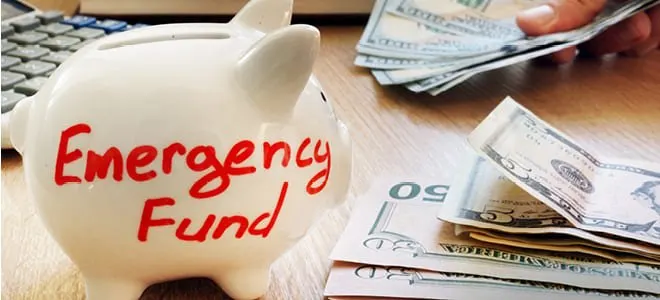
Learn exactly how to start an emergency fund, where to keep it, and how to keep it going.


In an emergency, you need to keep yourself, your family, and your financial future safe. Learn how to build your emergency financial first aid kit now.


Saving even $5 a week adds up over time—you can save for emergencies and pay down debt. Here's how to do both at once.

Learn exactly how to start an emergency fund, where to keep it, and how to keep it going.
In an emergency, you need to keep yourself, your family, and your financial future safe. Learn how to build your emergency financial first aid kit now.
Saving even $5 a week adds up over time—you can save for emergencies and pay down debt. Here's how to do both at once.