Lender
Personal Loan
Personal loan summary:
A personal loan is money loaned by a lender to use for almost any purpose.
Personal loans are installment loans. You get the money all at once and repay it in equal monthly payments for an amount of time that is decided when you get the loan.
Personal loans can be secured or unsecured. Unsecured means you qualify based only on your income and credit standing. Secured means the loan is also guaranteed by something valuable that you own.
Personal Loan Definition and Meaning
A personal loan is issued by a lender, such as a bank, credit union, or online lender. Both lender and borrower agree upfront to the terms and conditions of the loan. When you get a personal loan, you receive a lump sum of money and can use the funds for almost anything you want. You’ll repay the loan with monthly payments on a set schedule.
How a Personal Loan Works
Before applying for a personal loan, you'll determine how much you want and can afford to borrow. Then, you can apply for a personal loan online, in person or over the phone. In most cases, the lender will want to know how you plan to use the money. Some lenders lend only for certain purposes, like debt consolidation or home improvement, while others allow almost any use.
The lender will review your financial details, such as your debt-to-income ratio and your credit score, to decide whether to approve your application for a personal loan. The lender may offer you a choice of interest rates and loan terms. For example, a loan with a two-year repayment period at 9.99% or a loan with a six-year repayment period at 12.99%.
The advantage would be that the shorter term lets you save money on interest charges, but the longer loan term gets you a lower monthly payment.
You would choose your loan and sign a loan agreement. Then the lender releases your personal loan funds, usually by electronically transferring the money into your checking account. This money comes all at once, and you are free to spend it.
The loan agreement will specify the amount of your monthly payments and the due dates. The payments are calculated to fully pay off the loan by the end of the loan term.
Types of Personal Loans
There are different kinds of personal loans. The main types of personal loans are secured or unsecured.
Secured loans require collateral. A secured loan is guaranteed by collateral (something of value that the borrower owns). The collateral could be a certificate of deposit account, a valuable piece of art, or anything else that the lender accepts. If you don’t repay the loan, the lender can take the collateral to get back the money you owe.
Unsecured loans don’t require collateral. The lender relies on your willingness and ability to repay an unsecured loan. If you don’t pay, the lender would have to go to court and get a judgment against you. If that happens, it could also get permission from the court to garnish your wages or bank account.
Personal Loan Terms and Rates
The loan term is the amount of time you get to pay back the loan. Personal loan terms vary, but typically range from one year to about 10 years.
The interest rate on a personal loan can be fixed or variable.
Fixed-rate loans have the same interest rate and monthly payment for the life of the loan. You’ll always know exactly how much your monthly payment is.
Variable-rate loans have an interest rate that could change. That means your payment amount could also change.
Variable-rate loans sometimes start out at a lower rate compared to fixed-rate loan options at the time you apply. But variable-rate loans are unpredictable since rates and payments could change.
Most personal loans have a fixed interest rate.
Personal Loan FAQs
Personal loan interest rates average lower than credit card interest rates, and higher than auto loan or home loan rates. The range for personal loans often falls between 8% and 35%. However, economic conditions change frequently, so the best way to find out about rates is to ask for quotes. To get a sense of what interest rate you might qualify for, talk to lenders who do a soft pull on your credit, which doesn't hurt your score.
Personal loan interest rates top out at about 36%. That’s much lower than rates for payday or title loans. The exact rate you're offered depends on your credit history, income, and other qualifications.
Applying for a personal loan to consolidate credit cards can temporarily ding your credit score. The lender will do a hard inquiry into your credit prior to approving you for the loan.
Using a personal loan to pay off credit cards could also hurt your score if you pay the loan late, while on-time payments can help your score.
On the other hand, if you pay off revolving debt (credit cards) with installment debt (a personal loan), your credit utilization is likely to improve. Utilization is one of the most important factors in your score, so lowering it will cause your score to go up, assuming you’re doing well in the other factors that affect your credit.
Related Articles

Use loans to improve your financial situation. For example, a debt consolidation loan helps pay off debt, and a mortgage loan helps buy a home. Learn about loans...

A lower debt-to-income ratio could make it easier to qualify for loans and manage your bills. Here’s how to reduce yours.
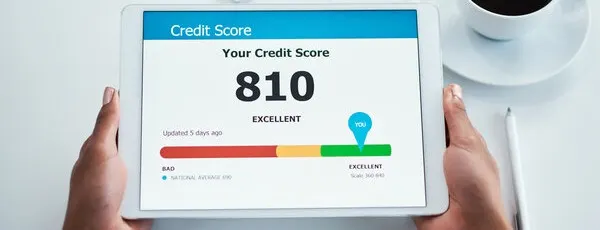
A credit score is essential when shopping for a loan. Learn about different credit scores, how a credit score is determined, and how a credit score affects your...
Use loans to improve your financial situation. For example, a debt consolidation loan helps pay off debt, and a mortgage loan helps buy a home. Learn about loans...
A lower debt-to-income ratio could make it easier to qualify for loans and manage your bills. Here’s how to reduce yours.
A credit score is essential when shopping for a loan. Learn about different credit scores, how a credit score is determined, and how a credit score affects your...