Debt Relief
Settlement
Settlement summary:
Debt settlement is the process of negotiating with creditors to reduce the amount you owe.
Typically, a company helps you reach a deal with your creditors. You can also try to negotiate an agreement on your own.
Debt settlement companies can’t charge you upfront fees or guarantee to eliminate debt.
Debt Settlement Definition and Meaning
Debt settlement is the process of negotiating with creditors to reduce the amount you owe. You can negotiate a debt settlement agreement on your own, or you can work with a third-party company to negotiate on your behalf. Debt settlement (sometimes called debt relief) comes with some risks, but it can also offer a pathway out of debt and an alternative to bankruptcy.
How Debt Settlement Works
Debt settlement involves negotiating with creditors to pay a lower amount than you owe, sometimes in a lump sum. Typically, you’ll deposit money into a designated savings account each month. Once you’ve built up enough savings for the settlement company to make offers, the company will start to work out agreements with your creditors.
Some debt settlement companies will suggest that you stop making payments so that they’ll have more leverage when they negotiate. This may accomplish two things: demonstrating to the creditor that you can't afford to repay the entire balance, and making more money available to stash in your debt relief savings account.
If they suggest that you temporarily halt payments, they’ll also need to tell you about the repercussions of not making payments. These can include damage to your credit score and the potential for higher interest and fees.
Debt settlement companies charge a fee for their services. A typical fee is 15% to 25% of the amount the company is settling, sometimes called the "enrolled debt." It’s illegal for a settlement company to charge you an upfront fee.
If you’re comfortable negotiating, you could bypass a debt settlement company and try to work out an agreement directly with creditors. Some creditors and lenders will offer a workout agreement if you’re behind on payments, where they agree to a lower interest rate or minimum monthly payment to help you get back on track.
Debt Settlement vs. Debt Management Plan vs. Debt Consolidation
Debt settlement, debt management plans, and debt consolidation are all options to consider if you’re struggling with bills. They may sound similar, but the type of relief they offer is quite different.
Debt settlement. You or a debt relief company negotiates with your creditors with the goal of getting them to accept an offer for less than you owe.
Debt management plan (DMP). A credit counseling organization (usually a nonprofit organization) works out a plan where you make a single payment to the organization, which then distributes it to your creditors. DMPs may lower your monthly payment, often by extending your repayment timeline, but they typically don’t lower the amount you owe.
Debt consolidation. With debt consolidation, you take out a loan to pay off multiple debts, ideally at a lower interest rate. If you qualify for a debt consolidation loan, you’ll often save money with a lower interest rate while also simplifying your finances. As with a DMP, debt consolidation doesn’t reduce the amount you owe.
Red Flags to Watch for If You’re Considering Settlement
Debt settlement is an option for improving your financial situation when you’re overwhelmed with bills. Unfortunately, there are some unscrupulous settlement companies. Here are some red flags to watch out for if you’re considering debt settlement. The company:
Charges upfront fees
Guarantees that it can reduce your debt by a certain percentage or wipe out debts altogether
Claims there’s a new government program to eliminate credit card debt
Promises it can make debt collection efforts stop
Debt settlement isn’t a quick fix—it’s a long-term process. Avoid any company that makes guarantees or promises it can make your debt disappear overnight.
Settlement FAQs
Many people open new credit cards after completing a debt settlement as part of the credit rebuilding process. If you don’t immediately qualify for a new regular credit card, try secured or second-chance credit cards to help you reestablish a good credit history. And eventually, with good payment habits, you’ll improve your credit score and can apply for traditional credit.
Debt settlement differs from debt consolidation. Debt consolidation means replacing several accounts with one loan to reduce your interest rate and/or payment. But you have to qualify for the loan and it has to be affordable. Similarly, a plan from a debt management company can reduce your interest rate, but you must be able to afford the payments. With debt settlement, either you or a professional debt consultant negotiates with your creditors to reduce the amount you owe. However, creditors aren't required to negotiate with debt settlement companies.
Some debt settlement companies encourage clients to stop paying their credit card bills. If you do that, you'll incur late fees, interest, and other charges. Debt settlement can also harm your credit score.
If your debt is truly overwhelming, consider debt settlement. If your debt is truly overwhelming, consider debt settlement. Otherwise, debt consolidation is probably a better choice.
All significant derogatory events hurt your credit, and that includes bankruptcy, accounts in collection, and debt settlement. The negative impact fades over time.
Dealing with your debt is an important step on your journey to good credit. If your debt is overwhelming, it’s probably more important to focus on financial solutions before worrying about your credit standing.
A healthy credit score comes from these actions:
Pay on time every time
Keep credit card debt low
Avoid applying for new credit unless necessary
Keep accounts open for a long time
Have experience with different kinds of credit accounts, like a credit card and a car loan
You can start doing these things right now, even if you’re still dealing with your debt.
Related Articles

Debt settlement is a way to negotiate with creditors to accept a reduced payment on debt. Learn more about the pros and cons of debt settlement programs.


If you’re struggling with overdue credit cards and other debts, debt settlement might help solve your debt problems. Find out how it works.

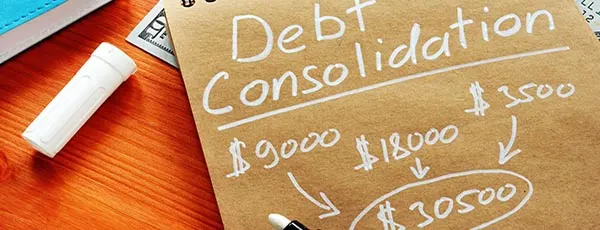
What is debt consolidation? Learn about debt consolidation loans, debt consolidation companies, and how to consolidate debt.

Debt settlement is a way to negotiate with creditors to accept a reduced payment on debt. Learn more about the pros and cons of debt settlement programs.
If you’re struggling with overdue credit cards and other debts, debt settlement might help solve your debt problems. Find out how it works.
What is debt consolidation? Learn about debt consolidation loans, debt consolidation companies, and how to consolidate debt.