Financial Emergency Definition & Meaning
Financial Recidivism Meaning & Definition
Financial recidivism summary:
When someone falls back into debt after completing a debt settlement program, it's called financial recidivism.
Unless core factors change, it's possible to fall back into debt after completing a debt settlement program.
Developing habits that prevent debt from accumulating again is key to staying debt-free.
The more you learn about finances, the better equipped you are to control all aspects of your budget, including debt.
What Is Financial Recidivism?
The word recidivism refers to the tendency to revert to previous behaviors, even after making an effort to change them. In terms of debt, financial recidivism refers to falling back into debt after successfully completing a debt settlement program. The more you learn about how and why you got into debt in the first place, the better prepared you are to prevent it from happening again.
More About Financial Recidivism
Basic financial literacy skills—such as setting up a household budget, understanding interest rates, and knowing the importance of emergency savings—provide a foundation on which to build a budget that minimizes debt. Unfortunately, few schools teach these essential skills, and adults often have to learn them on their own. When someone is unsure about how personal finances work, it can be challenging to create a monthly plan that works for them, and that can lead to financial difficulties such as debt.
Here are some of the other common reasons people get into debt, find their way out, and then fall back into debt again.
Economic pressure: Life is a series of ups and downs. Sometimes, you're sailing along without a care in the world, and then, you're dealing with a costly medical expense or job layoff. No matter how hard you work to get out of debt, economic pressure can cause it to return. What helps is building an emergency fund that can carry you through during challenging times.
Peer association: Let's face it—many of us have friends who aren't great with money, and their spending habits make it seem like they have an endless supply of funds. When your friends continually invite you to spend money you don't have, it may be time to let them know you've adopted a new way to manage your money, and think of ways to spend time together that don't involve overspending.
The desire to feel good: Studies show that even thinking about spending money is enough for your brain to release feel-good hormones, like dopamine, serotonin, and endorphins. Fortunately, there are other, less costly ways to release the same feel-good hormones. According to Henry Ford Health, examples include cuddling with someone you love, exercising, listening to feel-good music, meditating, spending time outdoors, taking a nap, or watching a comedy.
Financial Recidivism: A Comprehensive Breakdown
The big question is how to prevent yourself from going back into debt once you've made your way out. These tips can help:
Build an emergency fund: While experts recommend saving enough cash to cover three to six months' worth of bills, it may not be realistic for you, at least not right away. That's okay. Set aside what you can each week to build your emergency fund. The point is to have cash to draw from if something like a blown tire or a surprise medical expense arises.
Rebuild your credit: Chances are, by the time you get through debt settlement, your credit score has been damaged. There's nothing like focusing on rebuilding credit to refocus your attention. And here's the thing to remember: Your score can improve. There are plenty of people who've ended up with impressive credit scores simply by paying bills on time and keeping debt low.
Add to your financial knowledge: The more you know about how finances work, the more confidence you have to make financial decisions. Whether it's watching online videos produced by credible financial advisors, reading blogs, or taking financial literacy classes through a local community college, every little bit you learn can only benefit you.
Build a support system: It's tough to do anything as important as building a financial future without a support team. If you need financial counseling, make your counselor part of your team. Enlist a friend to be an accountability partner, someone you can turn to when you're tempted to spend money you don't have. And do the same for other people. Be the one they can turn to when faced with a thorny financial issue.
Financial Recidivism FAQs
The period spent in the debt settlement process is an excellent time to dedicate yourself to learning more about how finances work and what you can do to enhance your situation.
Whether you qualify for an unsecured credit card or put a deposit down on a secured card, how you use it determines whether it's a smart move. As long as you make all payments in full and on time and never charge more than you can afford to pay off, a well-managed credit card is a great way to build your credit score.
Your credit score typically declines when you're seeking debt settlement, since most people are dealing with delinquent accounts. Once you've gotten through the debt settlement process, focus on paying all bills (including everyday bills like utilities and rent) on time. Keep your debt as low as possible, and diversify the types of credit you have.
Freedom Debt Relief isn't a Credit Repair Organization and doesn't provide or offer services or advice to repair, modify, or improve your credit.
Related Articles

Debt settlement is a way to negotiate with creditors to accept a reduced payment on debt. Learn more about the pros and cons of debt settlement programs.


Financial literacy can help you save money, get out of debt, and live a better life. Find out more here.

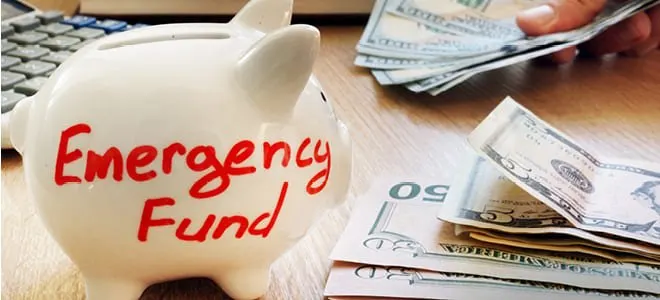
Learn exactly how to start an emergency fund, where to keep it, and how to keep it going.

Debt settlement is a way to negotiate with creditors to accept a reduced payment on debt. Learn more about the pros and cons of debt settlement programs.
Financial literacy can help you save money, get out of debt, and live a better life. Find out more here.
Learn exactly how to start an emergency fund, where to keep it, and how to keep it going.