Credit Report Definition & Meaning
Creditworthy
Creditworthy summary:
Creditworthy describes someone who lenders are confident will repay a debt.
Lenders use credit scores and other factors to measure creditworthiness.
If you're finding it hard to borrow money, there are ways to become more creditworthy.
Creditworthy Definition and Meaning
Being creditworthy is a lender term for someone who's likely to keep on top of repayments. That doesn't mean you have to have an excellent credit score to be creditworthy. In fact, there are many types of loans available for people with different credit scores.
Comprehensive Breakdown of Being Creditworthy
Being creditworthy means that a lender is willing to lend you money. Lenders typically use your credit score and other factors to decide whether to extend credit, and what terms to offer.
FICO is the most common type of credit score that lenders rely on. There’s also one called VantageScore that they might use. Both types of scores range from 300 to 850.
The exact credit score you might need to get approved for credit varies widely. It’s based on the lender’s requirements, the kind of credit you want, and the other factors that the lender looks at. For example, you might need a 620 to get approved for a typical mortgage. But there are special mortgage programs out there for borrowers who have a 500.
Here are some of the factors that influence your credit scores.
Payment history: This is the most important factor, and it’s exactly what it sounds like. Do you make all of your payments on time, every time?
Credit age: As far as your credit scores are concerned, it’s better to have a longer history with credit accounts. Credit scores consider the age of each account as well as the average age of all your accounts.
Amounts owed: Your credit score reflects your debt, including how much of your available revolving credit you're using (your credit utilization ratio). In other words, your credit card balances, compared to your credit limits. For example, if you have a $5,000 limit on your credit card and your balance is $2,500, your utilization ratio is 50%. Higher utilization tends to have a negative impact on credit scores.
Credit mix: Your credit scores reflect whether you have experience with different kinds of credit accounts like student loans, car loans, mortgages, credit cards, and so on.
New accounts or inquiries: Each time you apply for credit, the creditor is likely to check your credit history. That credit check is called a hard inquiry. Each hard inquiry has the potential to temporarily knock a few points off your scores (even if your application is denied).
Credit scores can and do change all the time. Each time new information (even the passage of time) is reported about you, your score could change. As these factors change, so does your creditworthiness. If you are applying to borrow money, it is important to know your score and understand what options are available to you.
How Debt Impacts Your Creditworthiness
Carrying debt doesn't necessarily hurt your creditworthiness. What matters is what type of debt you hold and the other details recorded on your credit report.
For example, if you have missed payments, a lender may find you less creditworthy than someone who has paid every bill on time. A recent missed payment is a bigger red flag than one from, say, five years ago. So there's no better time than today to start creating a positive payment history.
High credit card balances could also mean lenders consider you less creditworthy. Statistically, people with maxed-out credit cards are more likely to experience financial trouble.
Other kinds of debt don’t have the same effect. It’s possible to be six figures in debt with a mortgage, car loan, and student loan, but still look very creditworthy to potential lenders.
Creditworthy FAQs
A score between 670 and 739 is considered a good credit score. Recent data from the Fair Isaac Corporation (inventors of the FICO Score) shows that the average credit score in the United States is 716.
Credit scores range between 300 and 850. A score below 600 is often regarded as bad. The higher the score, the the more likely you are to qualify for lower interest rates. That’s because a higher score indicates that you are less likely to default on a loan.
While your credit score isn't the only factor lenders consider when deciding whether to approve your loan application, it's important. Many lenders offer three or four different interest rates on the same loan, depending on your credit score.
Debt settlement and bankruptcy both appear as negative marks on your credit report and will almost certainly lower your credit score. How much debt settlement or bankruptcy lowers your score depends on your starting score. If you're already missing payments, the credit damage may be less severe. If you have a perfect history of on-time payments, filing for bankruptcy or settling your debts could cause your credit score to drop sharply.
Once your bankruptcy is complete or your debts have been settled, your score could increase over time if you always pay on time, keep your credit card balances low, and avoid applying for credit until you need it.
Related Articles
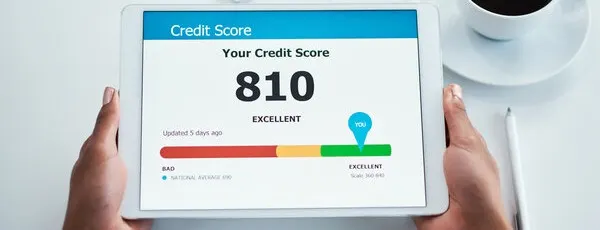
A credit score is essential when shopping for a loan. Learn about different credit scores, how a credit score is determined, and how a credit score affects your...


Is your FICO score the same as your credit score? What other credit scores are there? Learn about FICO score, VantageScore and other credit scores.


Credit utilization ratio is a key factor in credit scores, so lowering that ratio could help you improve your credit score. Here’s how to get started.

A credit score is essential when shopping for a loan. Learn about different credit scores, how a credit score is determined, and how a credit score affects your...
Is your FICO score the same as your credit score? What other credit scores are there? Learn about FICO score, VantageScore and other credit scores.
Credit utilization ratio is a key factor in credit scores, so lowering that ratio could help you improve your credit score. Here’s how to get started.