Credit Score Definition & Meaning
Credit Utilization Ratio
Credit utilization ratio summary:
Credit utilization ratio is your credit card balances compared to the credit limits on your accounts.
Utilization has a big impact on your credit standing.
Keeping your credit utilization ratio low has a positive impact on your credit score.
Credit Utilization Ratio Definition and Meaning
Credit utilization ratio is your credit card balances divided by your credit limits. It’s a factor used to determine your credit score.
If you have a credit card with a $1,000 limit and have a $300 balance on the card, you have a 30% credit utilization ratio. Here's the math:
1,000 ÷ 300 = .30 or 30%
Key Features of Credit Utilization Ratio
The key features of credit utilization are:
The amount of revolving credit you have available: This is determined by your credit card company. If you have a credit card with a $1,000 limit, for example, you have $1,000 in available credit. If your card has a $5,000 limit, you have $5,000 in available credit.
Your balance due: This is the amount you owe on your card. It changes over time. For example, if you charge $300 on a credit card, then you have a $300 balance.
Your credit line, or the amount of credit available, doesn't change often. It could change if you open a new credit card or request a credit line increase. Your credit card issuer could also change your credit limit without any request from you.
Your balance, or credit used, typically does change over time. You might owe $300, then charge another $100, then pay back the entire $400. If you had a $1,000 limit, your credit utilization ratio would change from 30% to 40% to 0%.
Credit card companies usually report your credit utilization ratio once per month to the major credit reporting agencies. Your credit utilization ratio will reflect your balance and credit limit on the day they report, even if you later pay your balance in full or use the card again.
Comprehensive Breakdown of Credit Utilization Ratio
Credit utilization is important because it's part of your FICO® Score and your VantageScore®, in the amounts owed category. Amounts owed is the second most important factor in your credit score, behind payment history.
It’s better if your utilization ratio is lower. A high utilization ratio could show that you’re in debt over your head, or that you’re headed for financial trouble. People with maxed-out cards are statistically more likely to fall behind. A low utilization ratio shows that you can afford to keep your debt under control.
The best utilization ratio is under 10%. That means you’re using your card lightly, for convenience, and can afford to keep your debt in check. Then it’s a sliding scale. Growing balances tend to push your scores down. A 40% utilization is more harmful to your credit than a 30% utilization. A 50% utilization ratio hurts even more. Once your utilization hits 80%, 90% or higher, expect a significant negative impact. If you can keep your utilization rate low, that could help you get a better credit score.
You can pay off debt to improve your credit utilization ratio. You could also ask for a credit line increase. If you have more credit available but you don’t increase the balance you owe, your utilization ratio will go down.
Utilization is calculated for each card and overall. So cards with a zero balance can help bring your overall utilization ratio down. Ideally, you'll usually want to avoid closing old and unused credit cards because doing so would mean losing access to the credit they provide—which could lead to a higher ratio of total available credit used.
Credit Utilization Ratio FAQs
Credit card companies typically report every month, based on your card's billing cycle. However, not every creditor reports to all three credit bureaus or even every month. So, if you make a big payment, your credit utilization might not drop immediately. If you're looking forward to your utilization going down, ask your creditor when they will report your balance.
Yes. Even if your balance owed remains the same, you can lower your credit utilization ratio by increasing your available credit. You can do this by getting a credit limit increase on your existing credit cards, or by opening a new credit card account.
Yes. If you close a credit card, you lose the credit limit on that card. That raises your overall credit utilization ratio. Here's an example:Let's say you have a $500 balance on a credit card that has a $1,000 credit limit. Right now your utilization is 50%.If you close that card, your credit limit effectively becomes $0. But you still have the $500 balance. You've more than maxed out the limit. Until your balance is paid off completely, this will look like a maxed-out account. The $500 balance will also factor into your overall utilization.
Related Articles
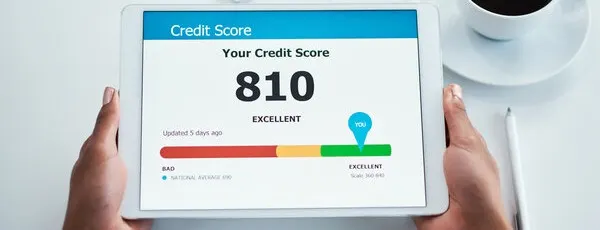
A credit score is essential when shopping for a loan. Learn about different credit scores, how a credit score is determined, and how a credit score affects your...

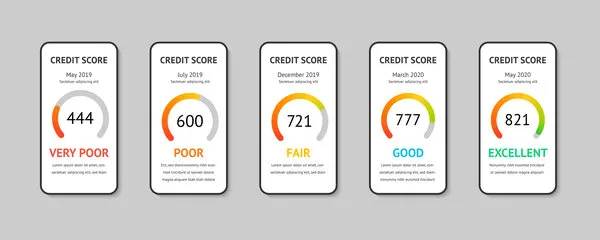
How to raise your credit score? Before shopping for a loan., follow these steps to raise your credit score fast. 1. Clear up errors on your credit report 2. Resolve any ...


Sometimes it may be okay to max out a card, but it usually puts you in a tight spot financially. Here’s what happens when you max a card, and how to fix it.

A credit score is essential when shopping for a loan. Learn about different credit scores, how a credit score is determined, and how a credit score affects your...
How to raise your credit score? Before shopping for a loan., follow these steps to raise your credit score fast. 1. Clear up errors on your credit report 2. Resolve any ...
Sometimes it may be okay to max out a card, but it usually puts you in a tight spot financially. Here’s what happens when you max a card, and how to fix it.