Personal Finance Definition & Meaning
Financial Health Definition & Meaning
Financial health summary:
Good financial health means you have financial security and financial freedom.
Your financial health can ebb and flow as you go through life's ups and downs.
You can improve your financial health through effective money management and good financial literacy.
What Is Financial Health?
Financial health describes your ability to pay bills, manage debt, and withstand unexpected expenses. It's similar to your overall health, which describes your body's ability to maintain everyday functions and deal with sickness.
In other words, most of us have to constantly make an effort to stay financially healthy, just like we work to stay physically healthy.
Financial health can be measured in different ways, but good financial health typically means you can comfortably pay your expenses, absorb a financial shock, and meet financial goals that allow you to enjoy life.
Financial Health: A Comprehensive Breakdown
The first step in improving your financial health is getting a complete picture of your overall finances. You can do this yourself or use an online assessment tool. Either way, examine these key financial factors:
Income and expenses. Does your income meet or exceed your necessary expenses?
Debt-to-income ratio. Do you have expensive high-interest debt that takes up a lot of your income?
Emergency savings. Could you handle an unexpected financial emergency without going into debt?
Long-term savings and investments. Are you saving for retirement and growing your wealth?
Total net worth. Is your total net worth positive and in line with your financial goals?
Wants and needs. Do you feel financially secure and able to purchase things that improve your quality of life?
Your financial health could change as your life evolves, so it's a good idea to reassess your financial health at least once a year or after any big event like a marriage or divorce, large purchase or new job.
You're not stuck with poor financial health just because you've had some bumps in the road. Like diet and exercise for your physical fitness, you can do quite a few things to help improve your financial health.
Build a budget
The first step in getting a good grip on your finances is to build a budget that includes all your income and expenses. A budget shows you where your money is going and how you can manage it to better meet your financial goals.
Pay off debt
A root financial health problem for many people is debt, especially expensive, high-interest debt like credit cards. Paying off that debt can go a long way toward improving your financial health.
Set up an emergency fund
Having an emergency fund helps you handle unexpected expenses without taking on debt, which could give you a bit of financial security and peace of mind.
Increase your financial literacy
We often make mistakes simply because we don't know any better. Take advantage of reputable resources to learn about money management, using credit and building wealth so you can make smart financial choices that lead to better financial health for the future.
Financial Health FAQs
You can contact a nonprofit credit and debt counselor for free help. They can create a debt management plan and negotiate terms with your lenders. With this method, you'll pay the counseling organization a modest monthly fee and make a single monthly payment to an account they create. The counseling agency will distribute the money among your creditors. Counselors can also review your finances and share strategies to reduce financial stress and improve your financial health.
Avoiding help. Don’t let negative emotions or a feeling of shame cause you to hide from help. You can get free help from reputable companies online, or you can get professional help from a reputable debt settlement company or an accredited credit counselor. The smartest thing you can do is learn how to handle your money and create financial security for yourself. If you feel lost, reach out. At Freedom Debt Relief, our mission is to help you find the debt relief solution that’s right for you, even if it doesn’t include our services. If you are keeping up with your payments and don’t want a loan or debt settlement, but you can’t seem to get ahead, start by finding a nonprofit credit counselor or financial counselor. Two good places to check are the NFCC and the AFCPE®.
No budget. To get a handle on your finances, you need to be clear about the money coming in and the money going out. Your budget gives you knowledge and power. With a budget you can make an informed choice about every dollar you spend. Without a budget, you’ll be stuck on guesswork that might or might not have success.
Charging more. If you continue to use credit cards, your debt payoff will take longer. You might even chase your tail indefinitely. If you’re serious, and ready to get rid of your debt, close the credit card accounts. Keep one open for emergencies if you need to, but lock it so that it can’t be used impulsively. Use a debit card for everyday purchases.
First, stop spending more than you earn and increase your balances.
Second, look for ways to pay down your balances faster:
Consolidate debts to a lower interest rate.
Request an interest rate reduction and put more into reducing your balance.
Take on more hours at work or a side gig to earn more.
Sell unused things and use them to reduce your balances.
Take a look at your budget and focus on ways to spend less, like canceling services you don’t need and finding cheaper options for those you do.
Choose one or more “wants” to give up until your debt is paid off or your DTI reaches a target. Put the savings toward your debt.
Related Articles

A lower debt-to-income ratio could make it easier to qualify for loans and manage your bills. Here’s how to reduce yours.


Your financial health is just as important as your physical health. Read these simple tips to better manage your credit and improve your financial health and situation.

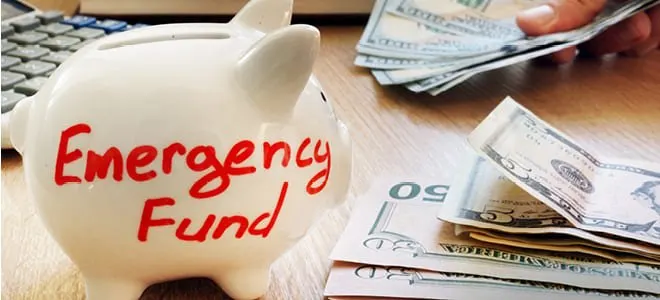
Learn exactly how to start an emergency fund, where to keep it, and how to keep it going.

A lower debt-to-income ratio could make it easier to qualify for loans and manage your bills. Here’s how to reduce yours.
Your financial health is just as important as your physical health. Read these simple tips to better manage your credit and improve your financial health and situation.
Learn exactly how to start an emergency fund, where to keep it, and how to keep it going.