Minimum Payment
Credit Card Definition & Meaning
Credit card summary:
A credit card gives you spending flexibility, and could help you build and maintain good credit.
Creditors offer credit cards to earn money, primarily through interest and fees.
Most credit cards are unsecured, which means you qualify based on your credit standing and financial situation.
What Is a Credit Card?
A credit card is a payment card that lets you buy things now and pay for them later. It’s a pre-approved loan that lets you borrow, repay, and borrow more, as often as you like, up to your credit limit. Unlike a typical loan, credit cards often have perks.
Key Attributes of a Credit Card
Debt, interest, and spending are key to understanding the humble credit card.
Debt: Credit cards let you spend on credit, a form of debt. The greater your credit card balance, the greater your debt.
Interest: Credit cards typically charge you interest on unpaid balances. You can avoid interest by paying your entire balance in full by the due date.
Spending: Credit cards make spending easier. You can buy things now and pay for them later. This is both an advantage and a disadvantage.
Lenders, spenders, and merchants are involved in using credit cards.
Lenders, those who offer credit cards, are usually banks and credit unions. They earn income from spenders who pay interest and late fees, as well as from merchants who pay fees for each transaction.
Spenders are people who use their credit cards for payment. If you use a credit card, you are borrowing money now, and the expectation is that you will pay it back later. Credit cards are more flexible than debit cards because the latter only allow you to spend the money that’s in your bank account. Some credit cards earn rewards like travel points or cash back.
Merchants are sellers who let spenders buy things on credit. Merchants benefit from letting spenders swipe credit cards—the more kinds of payment the merchant accepts, the more business they earn. People also tend to spend more with credit cards than they would with cash.
Types of Credit Cards
Secured and unsecured credit cards are the two main credit card types.
Secured credit cards require a cash deposit. Your spending limit is usually equal to the amount of your deposit (but could be higher). You don’t spend against your deposit. You use the card like any other credit card, and pay the bill when it comes. If you use the card, you’re required to make at least a minimum payment each month. Your deposit isn’t applied to your purchases. It’s held in case you don’t repay your debt.
After six to 12 months of responsible use, you can apply for a traditional credit card and ask for your deposit back. Some lenders convert your account and return your deposit automatically.
Unsecured credit cards do not require a deposit. You qualify based on your credit score, income, and other factors.
Feature | Secured Credit Cards | Unsecured Credit Cards |
Deposit Requirement | Yes | No |
Credit Score Required | Low or none | Fair to excellent |
Interest Rates | Typically high | Typically high (but could be lower than secured cards) |
Annual Fees | Varies | Varies |
Credit Limit | Typically equal to deposit | Based on creditworthiness |
Purpose | Build or rebuild credit | General spending and rewards |
A poor or nonexistent credit score can hurt your approval chances for an unsecured card. That’s why new borrowers with little or zero credit history often start out with secured credit cards.
Credit cards can be further broken down by spending category, which could help you decide which credit card could be most valuable to you.
Spending Category | Recommended Credit Card Type |
Travel | Travel rewards credit card |
Groceries | Credit card with high rewards for groceries |
Gas | Credit card with high rewards for gas |
Dining | Credit card with high rewards for dining |
General spending | Cash back credit card |
Online shopping | Credit card with high rewards for online shopping |
Credit Card FAQs
It’s possible to have an excellent credit score with two or three credit cards. Having a few more cards doesn't necessarily hurt your credit score unless you find them hard to manage or you accumulate unaffordable debt.
Yes, if the card issuer reports your payment record to one or more of the big three credit bureaus (Experian, Equifax, and TransUnion). Even though you provide a deposit to secure the card, you'll still have to make monthly payments. How you use the card will determine whether having it helps your credit score.
You only need two to three credit cards to build a good credit score. Factors that could have a positive impact on your credit include:
Pay on time every time
Keep your credit card balances as close to zero as possible
Don’t apply for new credit unless you really need to
Have different kinds of credit accounts, including installment loans (like mortgages and car loans) and revolving accounts (credit cards and lines of credit)
Related Articles
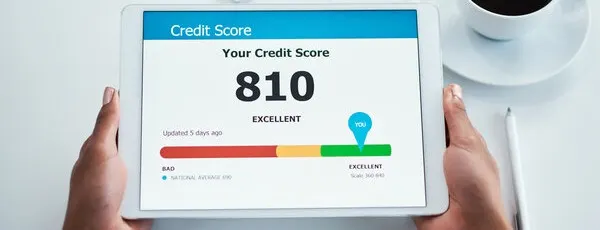
A credit score is essential when shopping for a loan. Learn about different credit scores, how a credit score is determined, and how a credit score affects your...


Secured credit cards can help you start building or rebuilding your credit in a matter of months. Discover how they work here.

A credit score is essential when shopping for a loan. Learn about different credit scores, how a credit score is determined, and how a credit score affects your...
Secured credit cards can help you start building or rebuilding your credit in a matter of months. Discover how they work here.